Melasma in Newton, MA

Melasma

What Is Melasma?

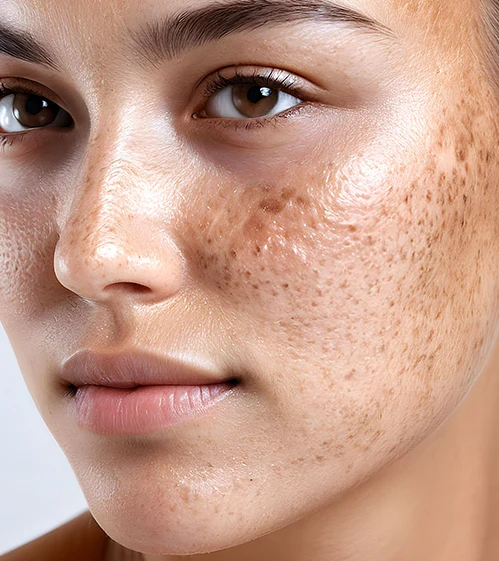
Melasma shows up quietly and tends to stay. Patchy brown or gray-brown discoloration across the cheeks, forehead, or upper lip that appears after sun exposure, hormonal shifts, pregnancy, or birth control. You may have tried creams and treatments that worked for a while, only to watch the pigmentation return.

At Longevity Lab & Aesthetics, we understand that melasma is not a straightforward skin concern. It is chronic, it is influenced by hormones and lifestyle, and it requires a different kind of patience than most skin conditions. Our approach is built around long-term management, not quick fixes. We listen first, evaluate carefully, and build a plan that is safe and realistic for your skin and your life.

Benefits of Melasma Treatment

Getting the right melasma care is about more than fading spots. It is about understanding your skin well enough to keep it from coming back.
A consistent, well-chosen plan lightens discoloration over time without stressing the skin.
Treatment that supports hydration and reduces inflammation at the same time.
Especially important for deeper skin tones, where the wrong approach can cause more harm than good.
Regular check-ins and product recommendations that keep your progress on track as seasons and hormones shift.
Sun, heat, hormones, and certain products all play a role. We help you identify and manage yours.

Is This Right for You?

Melasma therapy at Longevity Lab & Aesthetics is well-suited for adults who:

Want to address brown or gray-brown discoloration on the face

Prefer a non-invasive, skin-supportive approach that respects the skin's sensitivity

Have tried other methods without lasting success

Want a plan that accounts for hormonal factors, lifestyle, and long-term maintenance

Are looking for both in-person and telehealth options, depending on their schedule

What To Expect

Every appointment starts with a conversation about your skin history, your triggers, what treatments you have tried, and what your daily routine looks like. There are no assumptions here. Melasma looks different on every person and responds differently depending on skin type, tone, and underlying factors.

Your provider will evaluate your pigmentation and skin type to determine the safest and most effective approach. Your plan may include topical products, prescription creams, lifestyle adjustments, and light in-office treatments where appropriate. Follow-up appointments allow us to monitor progress and adjust the plan as your skin changes.

Telehealth consultations are available for ongoing support and product guidance.

Before Your Appointment

Limit sun exposure and avoid tanning for a minimum of one week prior to your appointment. Discontinue the use of potent exfoliants or acids unless directed otherwise by your provider. Come prepared with a list of your current skincare products, or bring the products along so your provider can assess them.

After Your Appointment

Apply a broad-spectrum SPF 30 or higher every single day without exception. Avoid hot environments and excessive sweating for 48 hours. Stay consistent with your routine and check in as scheduled. Reach out if you experience irritation so the plan can be adjusted before it becomes a setback.

Frequently Asked Questions

How long does melasma treatment take to work?
Most people begin to see improvement within four to eight weeks. Full results take longer, and consistency matters more than intensity. Melasma rewards patience and a steady routine.
Melasma is a long-term skin concern that may reappear over time, especially when triggered by sun exposure or shifts in hormone levels. The aim of treatment is to safely minimize and control discoloration while establishing routines that help delay its recurrence.
Yes, but the approach matters significantly. We take special care to choose treatments appropriate for deeper skin tones and avoid ingredients or tools that could worsen pigmentation rather than improve it.
Yes. We recommend choosing non-irritating, non-comedogenic products with added SPF. Your provider can help you identify makeup that complements rather than disrupts your treatment routine.
Yes. Sun exposure is one of the most significant drivers of melasma and one of the most controllable. Daily SPF use is not optional when treating melasma. It is the foundation on which everything else is built.
Yes. Hormonal shifts from pregnancy, birth control, or perimenopause can trigger or worsen melasma regardless of topical treatment. Your provider will take this into account when building your plan and may adjust recommendations as your hormonal picture changes.
TAKE THE FIRST STEP
Healthy, confident skin starts with the right aesthetic approach. Our team creates personalized treatment plans focused on long-term skin health and natural results, helping you feel confident inside and out for years to come. Schedule your consultation to begin your longevity-focused aesthetic journey.
Schedule A Consultation

Let’s connect

It can be challenging to start something new, but we are here to assist you. Feel free to contact us if you would like to learn more about a service, discuss treatment options, or get to know us better.

No pressure, no pushy sales, just kind, thoughtful guidance from a team that genuinely cares.

Call Now Button