

Hair Loss + Scalp Health

Restore the scalp.
Support the follicle.
A clinical approach to understanding why hair is thinning, shedding, or changing — and building a plan around the root cause, not just the symptom.
Root Cause
Scalp Health
Regeneration
Maintenance

Hair needs a root-cause plan.
Care organized around the follicle, the scalp, and the internal drivers.

Hair + Scalp Consultation
A clinical review of hair loss pattern, scalp symptoms, timeline, medications, health history, stressors, hormones, and labs.
How It Helps
- Hair shedding timeline and pattern review
- Scalp symptoms including itching, oil, scaling, or inflammation
- Medication, illness, postpartum, stress, and nutrition history
- Identifies what may be driving the change
- Creates a clear starting point
- Prevents random treatment stacking

Root-Cause Lab Review
Labs may help identify internal patterns that influence shedding, follicle strength, scalp inflammation, and hair cycling.
How It Helps
- CBC, CMP, ferritin, iron studies, vitamin D, B vitamins, thyroid panel, hormones, DHEA-S, and inflammation markers when appropriate
- Nutrient, thyroid, metabolic, and hormone-pattern interpretation
- Coordination with PCP, dermatology, endocrinology, or gynecology when needed
- Connects symptoms to measurable patterns
- Supports more precise treatment selection
- Helps monitor progress safely
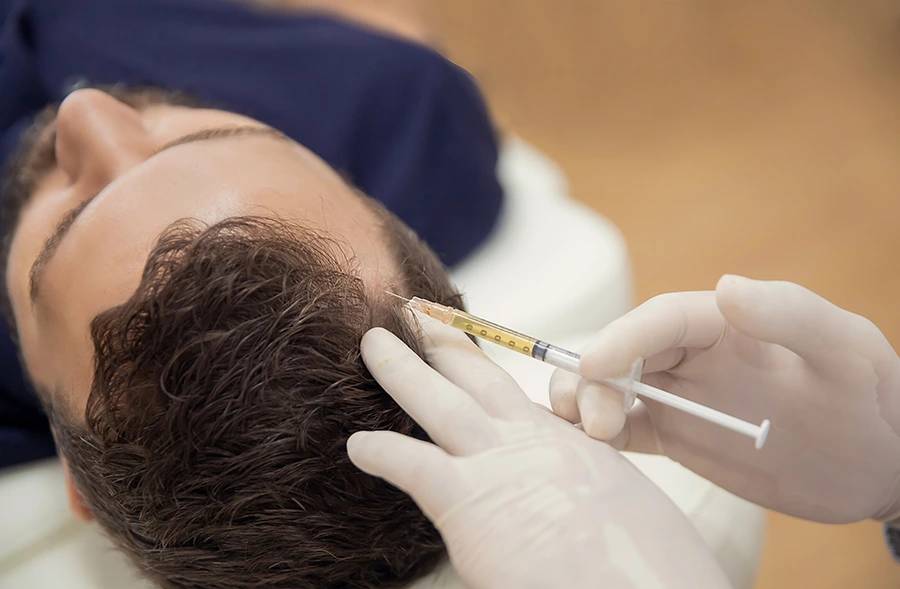
PRP / PRF Scalp Therapy
Platelet-rich therapies may support follicle signaling, scalp repair, and hair density in appropriate candidates.
How It Helps
- Candidacy review and scalp assessment
- Series-based treatment planning
- Combination with home care, supplements, or topical support when appropriate
- Supports the follicle environment
- Encourages regenerative signaling
- Works best when root causes are addressed
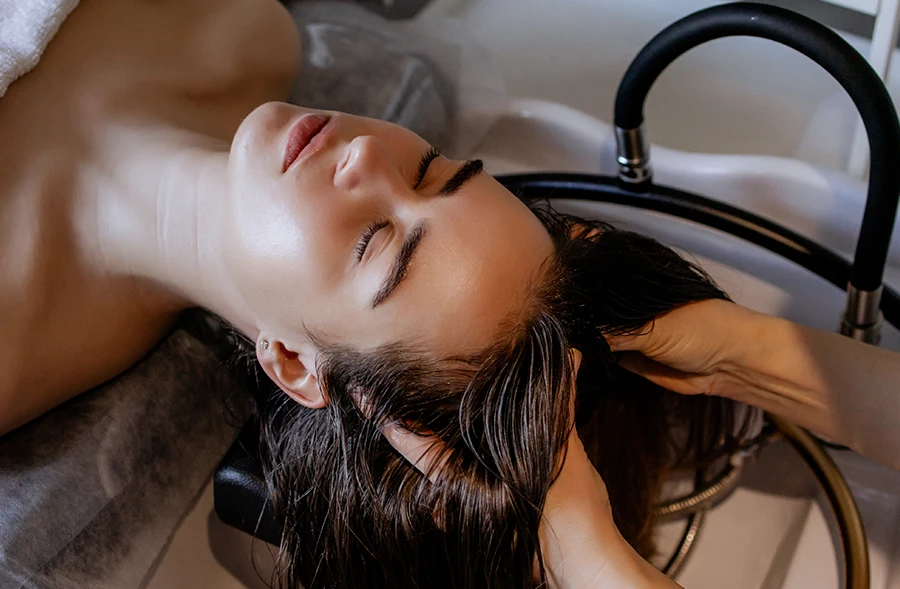
Scalp Health Reset
A plan for scalp irritation, flaking, oil imbalance, inflammation, buildup, or barrier disruption that may affect hair growth.
How It Helps
- Scalp barrier and inflammation review
- Medicated or supportive topical recommendations when appropriate
- Product and wash-frequency guidance
- Calms the scalp environment
- Reduces irritation and buildup
- Supports healthier follicle function
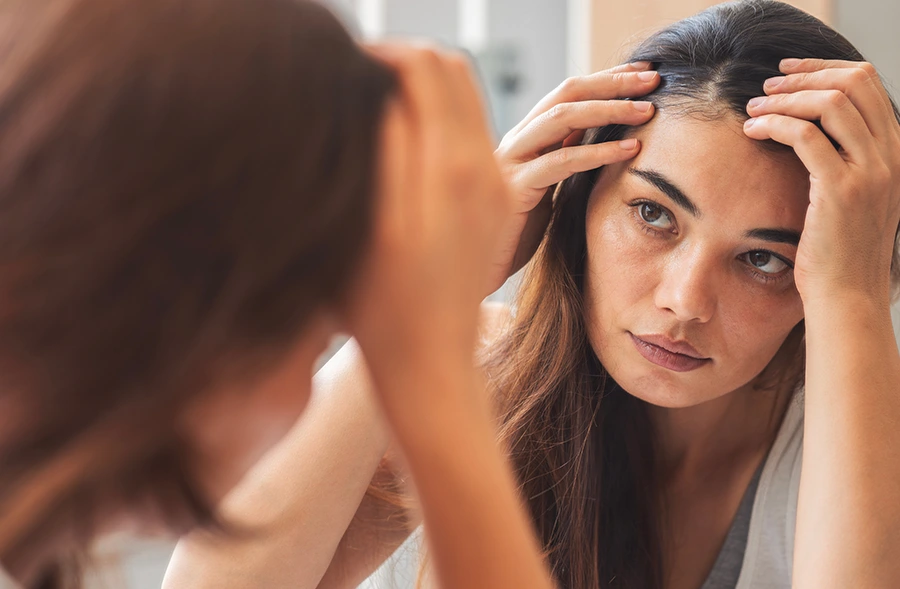
Hormonal Hair Changes
Hormone shifts, androgens, perimenopause, postpartum changes, stress physiology, and thyroid patterns can influence shedding and density.
How It Helps
- Female and male pattern review
- Thyroid, androgen, estrogen, stress, and nutrient context
- Safety-focused options and referral when needed
- Clarifies hormone-related contributors
- Supports personalized planning
- Avoids one-size-fits-all hair treatment
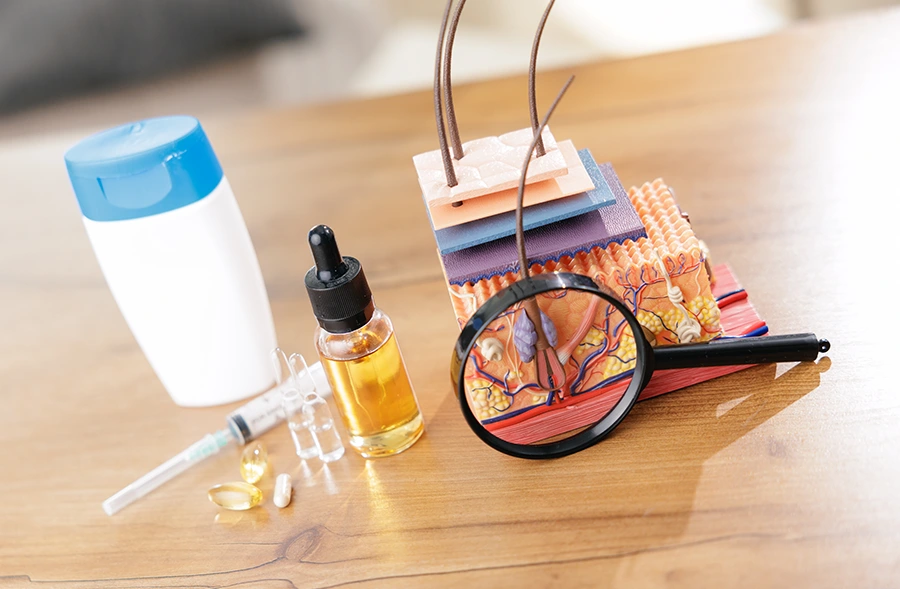
Prescription + Topical Planning
Topical or prescription-level options may be discussed when clinically appropriate and matched to history, goals, and tolerance.
How It Helps
- Topical growth-support options
- Prescription discussion or referral when indicated
- Contraindication and side-effect review
- Keeps treatment medically appropriate
- Supports consistency and safety
- Pairs with internal optimization
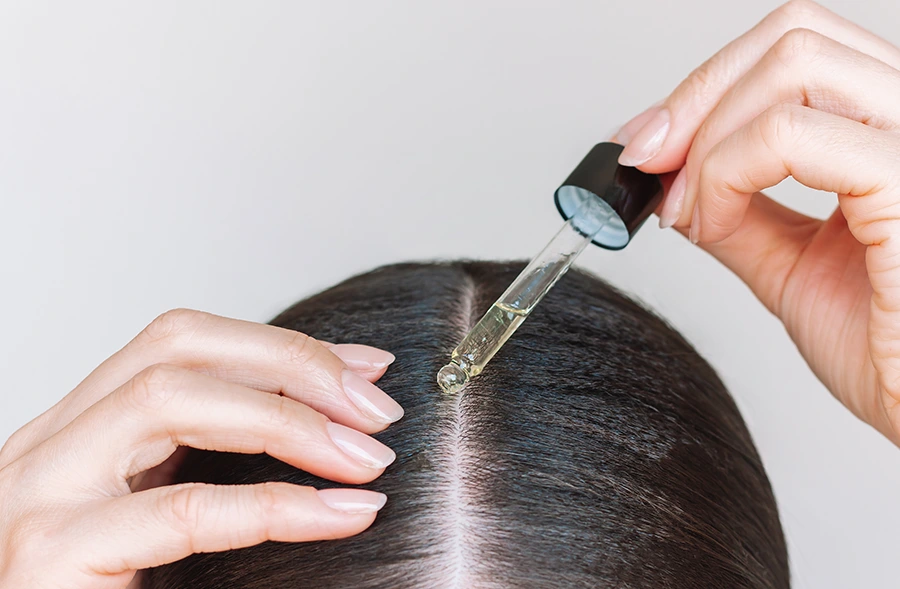
Nutrient + Peptide Support
Selected nutrients, amino acids, antioxidants, or peptide pathways may be considered when appropriate within the larger plan.
How It Helps
- Ferritin, vitamin D, B vitamins, thyroid, and inflammation review
- Curated supplements based on labs and tolerance
- Peptide or regenerative discussion when appropriate
- Supports repair and resilience
- Addresses nutrient patterns that affect follicles
- Avoids unnecessary add-ons

Hair Growth Monitoring
Hair treatment requires time, consistency, and measurement through photos, symptom tracking, scalp response, and lab changes when relevant.
How It Helps
- Baseline photos and timeline review
- Follow-up every 8–12 weeks when appropriate
- Plan adjustments based on response and tolerance
- Tracks progress realistically
- Supports adherence
- Keeps the plan clinically responsive
Hair loss care should start with why it is happening.
Identify the pattern
Measure the drivers
Treat in sequence
How we organize hair restoration planning.
Each layer helps determine what should be addressed first: internal health, scalp environment, regenerative signaling, or maintenance.
Internal Drivers
Hair growth depends on thyroid function, nutrients, hormones, stress physiology, inflammation, medications, and overall metabolic health.
If the internal environment is unstable, scalp-only treatment may underperform.
- Thyroid and hormone patterns
- Ferritin, iron, vitamin D, and B vitamins
- Inflammation, stress, and medication review
Goal: identify what may be disrupting the hair cycle.
Follicle Environment
The scalp environment matters: irritation, inflammation, oil, buildup, scaling, and barrier disruption can affect follicle function.
A healthy follicle needs a healthy scalp environment.
- Scalp inflammation review
- Product and wash routine assessment
- Barrier and microbiome support
Goal: calm the scalp and support healthier follicle behavior.
Follicle Signaling
Follicle-supportive therapy may include prescription pathways, including minoxidil or finasteride, along with regenerative options including PRF and Acorn Stem Cell Therapy when clinically appropriate.
- Prescription pathways, including minoxidil or finasteride, when indicated
- Regenerative scalp support, including PRF and Acorn Stem Cell Therapy
- Combination planning based on candidacy, tolerance, and treatment goals
Growth Cycle Support
Hair growth is slow and requires consistent tracking, maintenance, and adjustment over several months.
- Baseline photos and symptom tracking
- Follow-up every 8–12 weeks when appropriate
- Adjustments based on response
A structured process for hair loss care.
Assess
Measure
Treat
Monitor
Hair restoration should be individualized and realistic.
Root-cause first
Monitor response
Coordinate care
Hair health connects to the larger longevity plan.
Longevity Lab
Women’s Health
Men’s Health
Skin Health

Let’s connect
It can be challenging to start something new, but we are here to assist you. Feel free to contact us if you would like to learn more about a service, discuss treatment options, or get to know us better.
No pressure, no pushy sales, just kind, thoughtful guidance from a team that genuinely cares.